
160 Results for "

Saussurea involucrata (Kar. et Kir.) Sch.-Bip.

" in MedChemExpress (MCE) Product Catalog:
Products (160)

160 Results for "Saussurea involucrata (Kar. et Kir.) Sch.-Bip." in MCE Product Catalog:

11
11 Publications Verification
Cat. No.: HY-12882
CAS No.: 23210-56-2
Purity:  99.94%
Synonyms: NP-120; RC-61-91
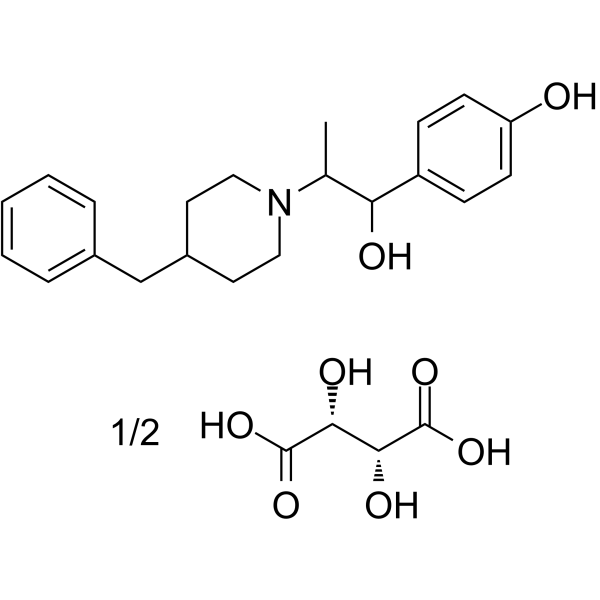
Ifenprodil (NP-120), a cerebral vasodilator, is a noncompetitive NMDA receptor antagonist. Ifenprodil exerts high affinity at NR1A/NR2B receptors (IC50=0.34 μM) over 400-fold than at NR1A/NR2A receptors (IC50=146 μM) . Ifenprodil is an α1 adrenergic receptor antagonist. Ifenprodil inhibits GIRK (Kir3), reduces inward currents through the basal GIRK activity. Ifenprodil has reliable inhibitory effects against A/H1N1 strains (EC50 of 6.6 µM). Ifenprodil has neuroprotective, anticonvulsant and antinociceptive effects. Ifenprodil can be used for the study of cerebrovascular diseases and peripheral arterial obliterative disease .
loading...
    loading...
11
11 Publications Verification
Cat. No.: HY-12882A
CAS No.: 23210-58-4
Purity:  99.95%
Synonyms: NP-120 tartrate; RC-61-91 tartrate
Ifenprodil (NP-120) tartrate, a cerebral vasodilator, is a noncompetitive NMDA receptor antagonist. Ifenprodil tartrate exerts high affinity at NR1A/NR2B receptors (IC50=0.34 μM) over 400-fold than at NR1A/NR2A receptors (IC50=146 μM) . Ifenprodil tartrate is an α1 adrenergic receptor antagonist. Ifenprodil tartrate inhibits GIRK (Kir3), reduces inward currents through the basal GIRK activity. Ifenprodil tartrate has reliable inhibitory effects against A/H1N1 strains (EC50 of 6.6 µM). Ifenprodil tartrate has neuroprotective, anticonvulsant and antinociceptive effects. Ifenprodil tartrate can be used for the study of cerebrovascular diseases and peripheral arterial obliterative disease .
loading...
    loading...
8
8 Cited Publications
Cat. No.: HY-D1297
CAS No.: 730931-46-1
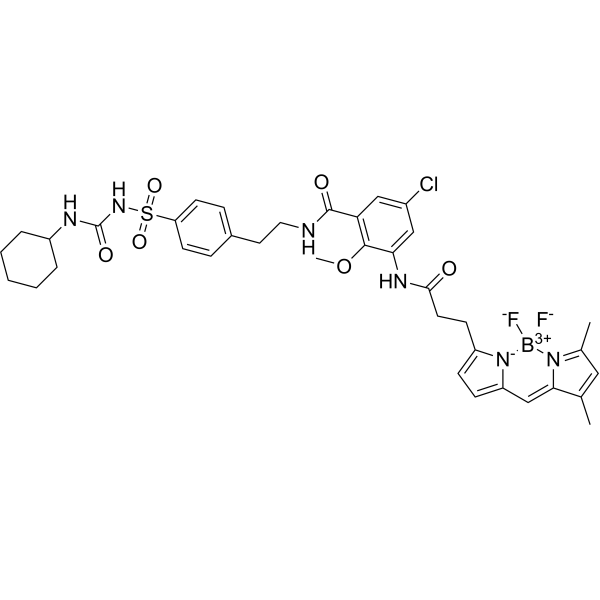
ER-Tracker dye is a derivative of BODIPY series dyes coupled with Glibenclamide (HY-15206), highly selective binding to the endoplasmic reticulum, non-toxic to cells at low concentrations, this type of dye is an environmentally sensitive probe, and formaldehyde treatment can still retain part of the fluorescence, with high fluorescence life, good extinction coefficient and other characteristics. Glibenclamide is an atp-dependent K + channel blocker (Kir6, KATP) and CFTR Cl-channel blocker that binds in the endoplasmic reticulum. ER-Tracker is not suitable for staining cells after fixation .
loading...
    loading...
5
5 Cited Publications
Cat. No.: HY-D1431
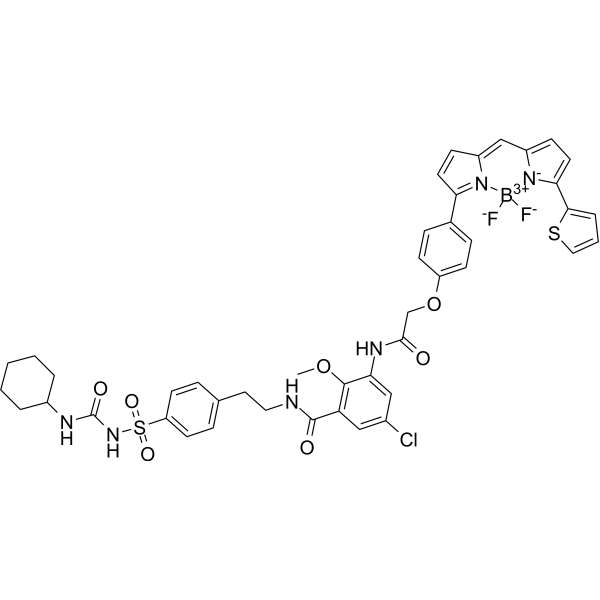
ER-Tracker dye is a derivative of BODIPY series dyes coupled with Glibenclamide (HY-15206), highly selective binding to the endoplasmic reticulum, non-toxic to cells at low concentrations, this type of dye is an environmentally sensitive probe, and formaldehyde treatment can still retain part of the fluorescence, with high fluorescence life, good extinction coefficient and other characteristics. Glibenclamide is an atp-dependent K + channel blocker (Kir6, KATP) and CFTR Cl-channel blocker that binds in the endoplasmic reticulum. ER-Tracker is not suitable for staining cells after fixation. Ex/Em=587/615 nm .
loading...
    loading...
4
4 Cited Publications
Cat. No.: HY-122560
CAS No.: 755002-90-5
Target:  

Potassium Channel

Research Areas:  

Cardiovascular Disease

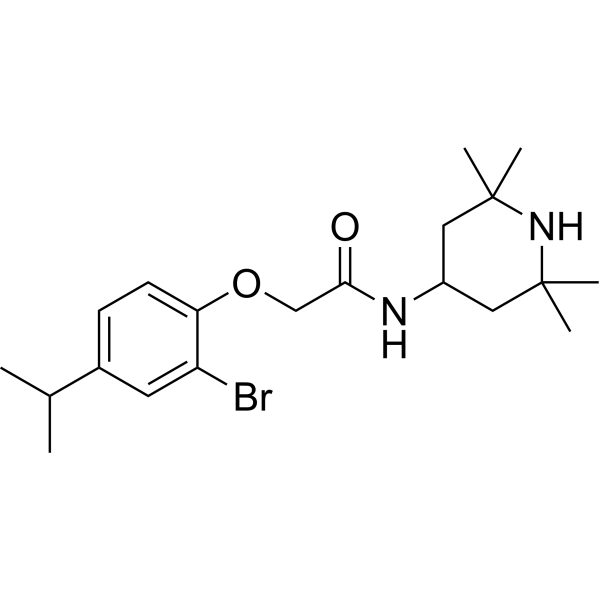
VU0134992 is the first subtype-preferring, orally active and selective Kir4.1 potassium channel pore blocker, with an IC50 of 0.97 µM. VU0134992 is 9-fold selective for homomeric Kir4.1 over Kir4.1/5.1 concatemeric channels (IC50=9 µM) at -120 mV .
loading...
    loading...
4
4 Cited Publications
Cat. No.: HY-122560A
CAS No.: 1052515-91-9
Purity:  98.34%
Target:  

Potassium Channel

Research Areas:  

Cardiovascular Disease

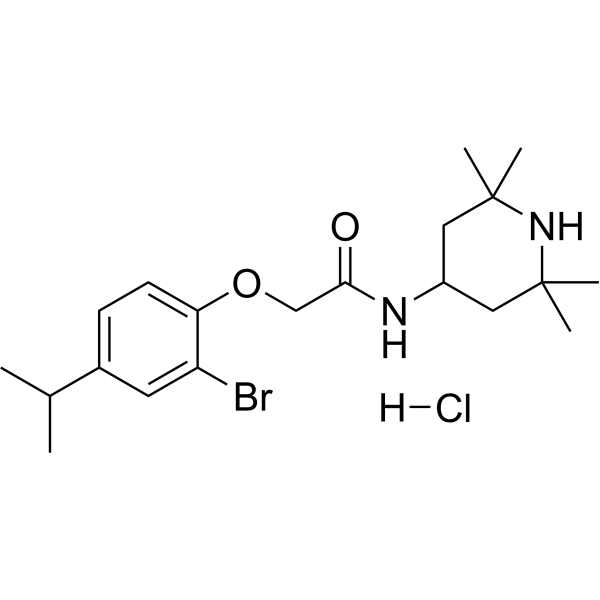
VU0134992 hydrochloride is the first subtype-preferring, orally active and selective Kir4.1 potassium channel pore blocker, with an IC50 of 0.97 µM. VU0134992 hydrochloride is 9-fold selective for homomeric Kir4.1 over Kir4.1/5.1 concatemeric channels (IC50=9 µM) at -120 mV .
loading...
    loading...
3
3 Cited Publications
Cat. No.: HY-P1275
CAS No.: 910044-56-3
Target:  

Potassium Channel

Research Areas:  

Cardiovascular Disease

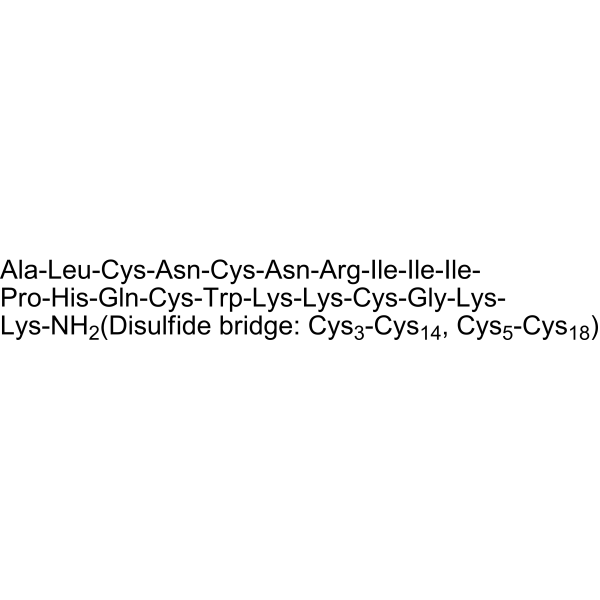
Tertiapin-Q is a highly selective blocker of GIRK1/4 heterodimer and ROMK1 (Kir1.1).
loading...
    loading...
3
3 Cited Publications
Cat. No.: HY-108595
CAS No.: 313505-85-0
Purity:  96.35%
Target:  

Potassium Channel

Research Areas:  

Others

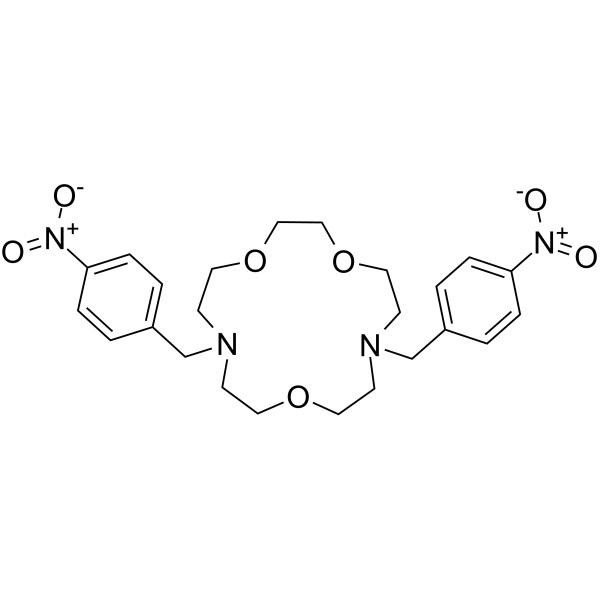
VU590 is a potent and moderately selective ROMK (Kir1.1) inhibitor, with an IC50 of 290 nM. VU590 also inhibits Kir7.1, with an IC50 of 8 μM. VU590 is not a good probe of ROMK function in the kidney .
loading...
    loading...
3
3 Cited Publications
Cat. No.: HY-100230A
CAS No.: 1222781-70-5
Purity:  99.82%
Target:  

Potassium Channel

Research Areas:  

Others

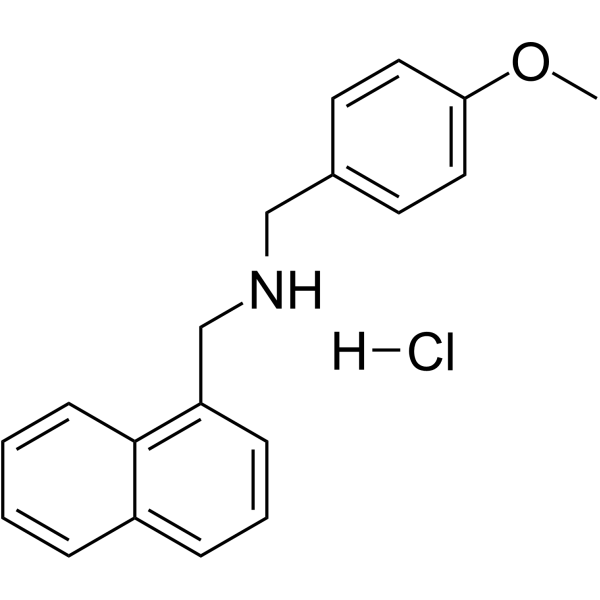
ML133 hydrochloride is a selective Kir2 family channels inhibitor, with an IC50 of 1.8 μM at pH 7.4 and 290 nM at pH 8.5 .
loading...
    loading...
3
3 Cited Publications
Cat. No.: HY-P99208
CAS No.: 1000676-41-4
Synonyms: IPH2102

Research Areas:  

Cancer

Lirilumab (IPH2102) is an anti-KIR monoclonal antibody, and shows antitumor activity. Lirilumab can be used in Leukemia, squamous cell carcinoma of the head and neck (SCCHN) research .
loading...
    loading...
3
3 Cited Publications
Cat. No.: HY-N0591
CAS No.: 477-43-0
Synonyms: (-)-Dehydrocostus lactone; Epiligulyl oxide
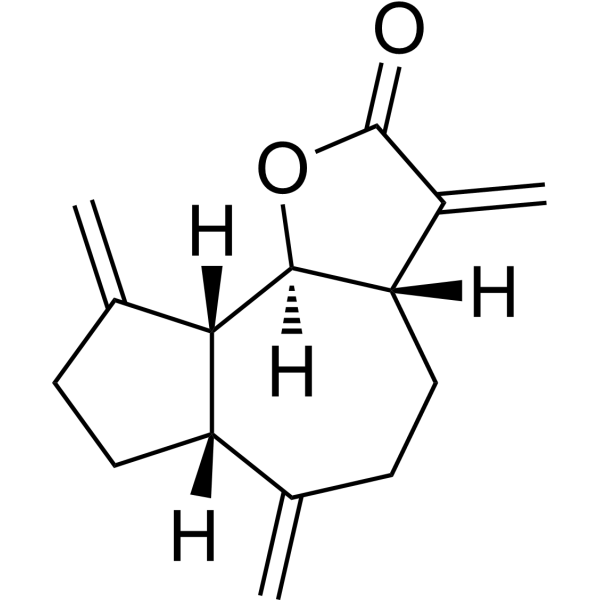
Dehydrocostus Lactone ((-)-Dehydrocostus lactone) is a natural sesquiterpene that can be isolated from Saussurea lappa. Dehydrocostus Lactone has multiple activities such as anti-inflammatory, antibacterial, anti-tumor, and immunomodulatory effects. Dehydrocostus Lactone has an MIC of 2 µg/mL against Mycobacterium tuberculosis. Dehydrocostus Lactone can also inhibit the killing activity of cytotoxic T lymphocytes and induce apoptosis in tumor cells .
loading...
    loading...
3
3 Cited Publications
Cat. No.: HY-B0883
CAS No.: 1811-28-5
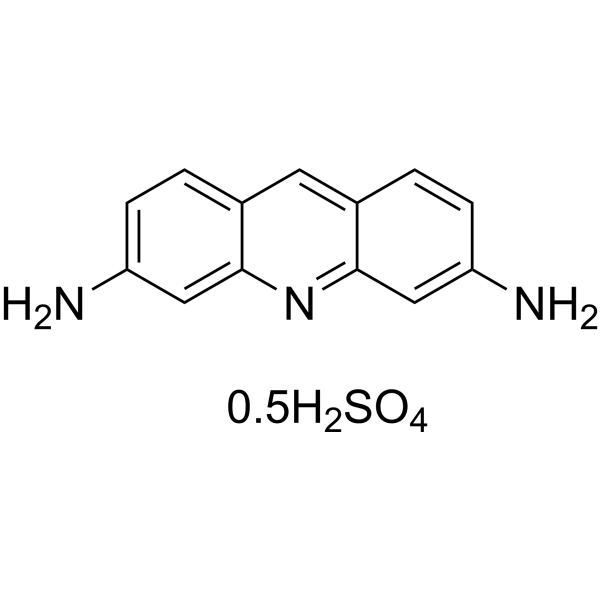
3,6-Diaminoacridine hemisulfate is a multifunctional acridine compound. 3,6-Diaminoacridine hemisulfate is an acridine dye and also a DNA inserter. 3,6-Diaminoacridine hemisulfate is a potent broad-spectrum antibacterial agent. Its mechanism is to insert into bacterial DNA, interfering with replication and transcription, leading to bacterial lysis. 3,6-Diaminoacridine hemisulfate is a Kir3.2 potassium channel blocker and can be used to study the neurological phenotype of Down syndrome. 3,6-Diaminoacridine hemisulfate can penetrate the stratum corneum of the skin and accumulate in the cell nucleus. Long-term exposure may induce skin cancer or other malignant tumors .
loading...
    loading...
2
2 Cited Publications
Cat. No.: HY-113147
CAS No.: 2364-67-2
Purity:  99.88%
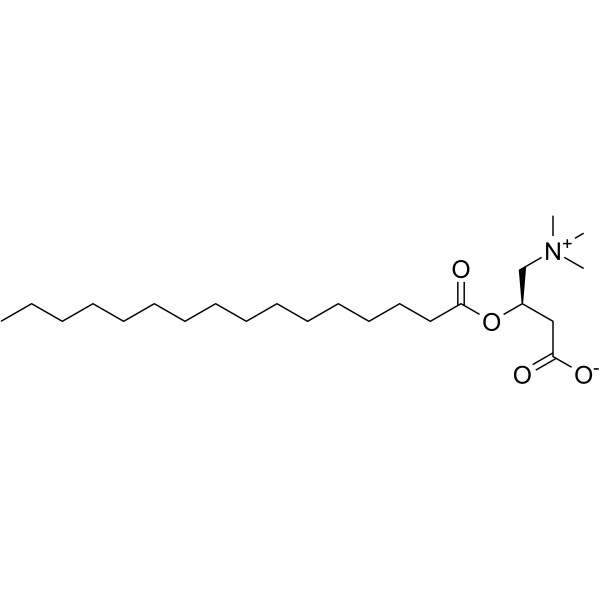
L-Palmitoylcarnitine, a long-chain acylcarnitine and a fatty acid metabolite, accumulates in the sarcolemma and deranges the membrane lipid environment during ischaemia. L-Palmitoylcarnitine inhibits KATP channel activity, without affecting the single channel conductance, through interaction with Kir6.2 .
loading...
    loading...
2
2 Cited Publications
Cat. No.: HY-113147A
CAS No.: 18877-64-0
Purity:  ≥98.0%
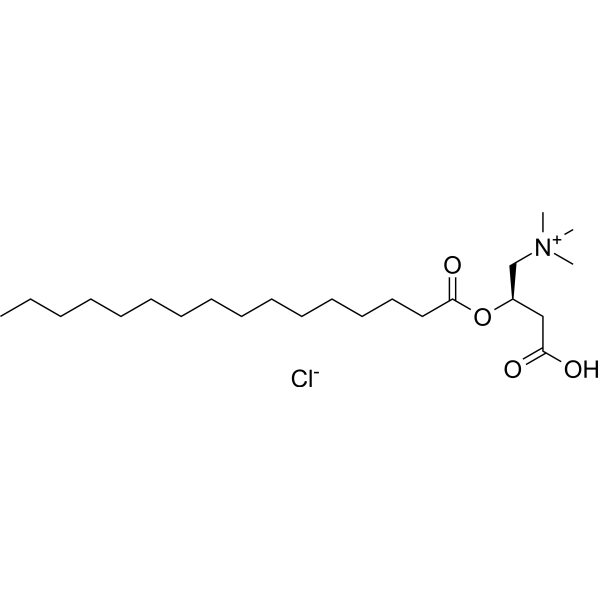
L-Palmitoylcarnitine chloride, a long-chain acylcarnitine and a fatty acid metabolite, accumulates in the sarcolemma and deranges the membrane lipid environment during ischaemia. L-Palmitoylcarnitine chloride inhibits KATP channel activity, without affecting the single channel conductance, through interaction with Kir6.2 .
loading...
    loading...
2
2 Cited Publications
Cat. No.: HY-B0682A
CAS No.: 207844-01-7
Synonyms: KAD-1229; S-21403
Target:  

Potassium Channel

Research Areas:  

Metabolic Disease

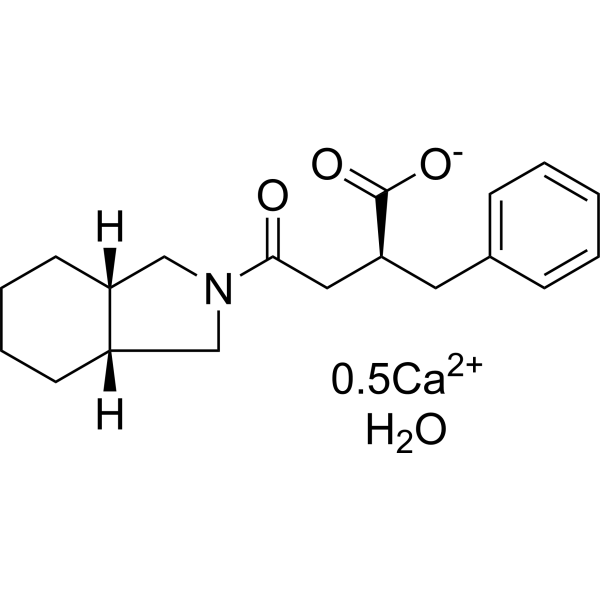
Mitiglinide calcium hydrate (KAD-1229), an insulinotropic agent, is an ATP-sensitive K + (KATP) channel antagonist. Mitiglinide calcium hydrate is highly specific to the Kir6.2/SUR1 complex (the pancreatic beta-cell KATP channel). Mitiglinide Calcium hydrate can be used for the research of type 2 diabetes .
loading...
    loading...
2
2 Cited Publications
Cat. No.: HY-17398
CAS No.: 145525-41-3
Synonyms: KAD-1229 anhydrous; S21403 anhydrous
Target:  

Potassium Channel

Research Areas:  

Metabolic Disease

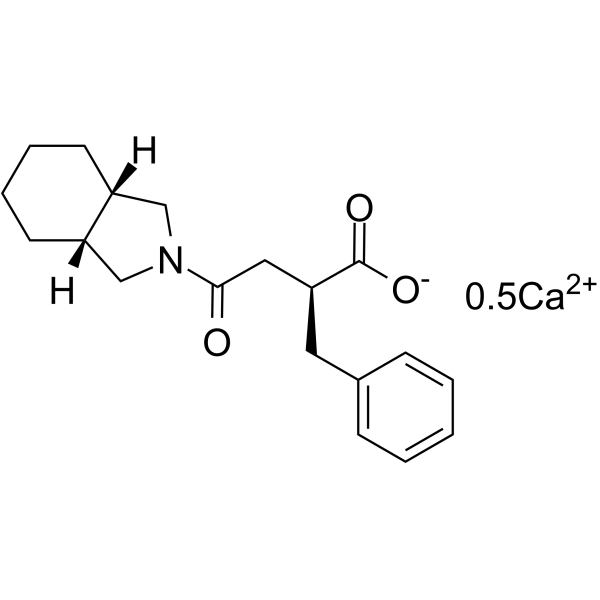
Mitiglinide Calcium (KAD-1229 anhydrous), an insulinotropic agent, is an ATP-sensitive K + (KATP) channel antagonist. Mitiglinide Calcium is highly specific to the Kir6.2/SUR1 complex (the pancreatic beta-cell KATP channel). Mitiglinide Calcium can be used for the research of type 2 diabetes .
loading...
    loading...
2
2 Cited Publications
Cat. No.: HY-113147B
Purity:  ≥98.0%
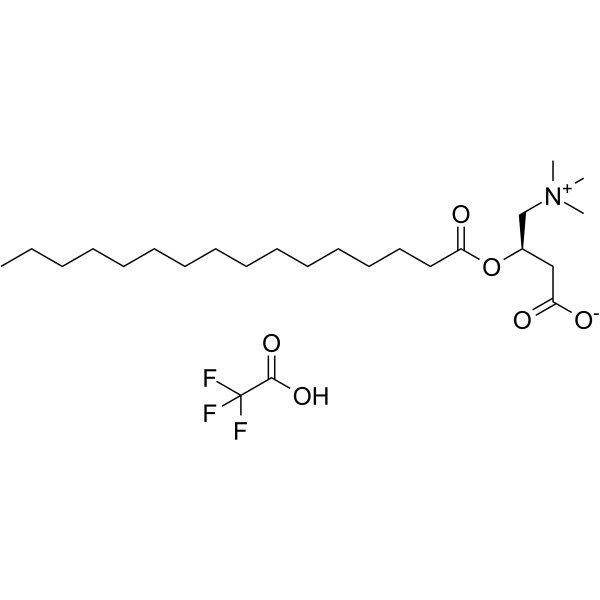
L-Palmitoylcarnitine TFA, a long-chain acylcarnitine and a fatty acid metabolite, accumulates in the sarcolemma and deranges the membrane lipid environment during ischaemia. L-Palmitoylcarnitine TFA inhibits KATP channel activity, without affecting the single channel conductance, through interaction with Kir6.2 .
loading...
    loading...
1
1 Cited Publications
Cat. No.: HY-108573
CAS No.: 60559-98-0
Purity:  99.81%
Target:  

Potassium Channel

Research Areas:  

Cardiovascular Disease

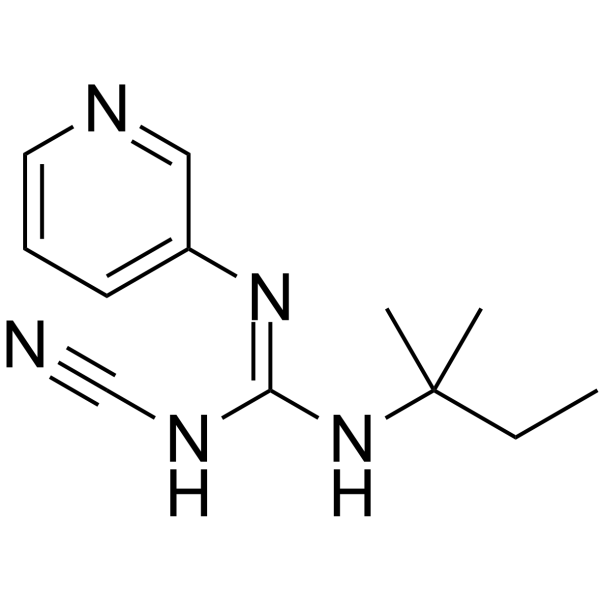
P-1075 is a potent activator of sulfonylurea receptor 2-associated ATP-sensitive potassium channels (SUR2-KIR6), with an EC50 value of 45 nM for SUR2B-KIR6 channel activation . P-1075 also P1075 opens mitochondrial K(ATP) channels and generates reactive oxygen species resulting in cardioprotection of rabbit hearts .
loading...
    loading...
1
1 Cited Publications
Cat. No.: HY-112544
CAS No.: 500715-03-7
Purity:  99.62%
Synonyms: PA-6
Target:  

Potassium Channel

Research Areas:  

Cardiovascular Disease

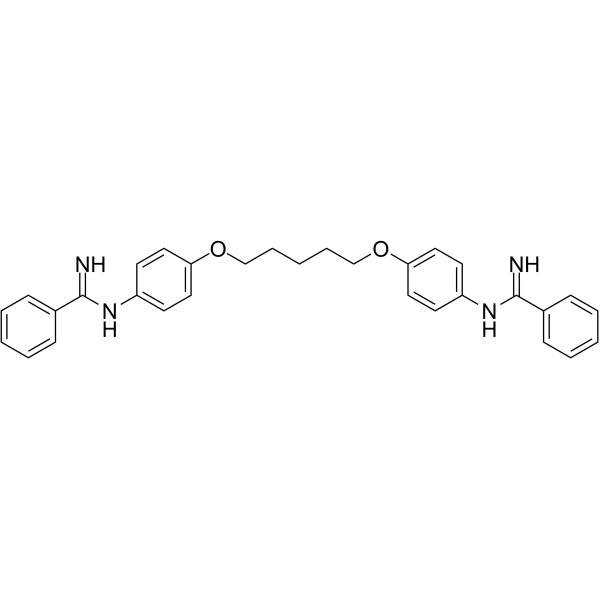
IK1 inhibitor PA-6 (PA-6), a pentamidine analogue, is a selective and potent IK1 (KIR2.x ion-channel-carried inward rectifier current) inhibitor, with IC50 values of 12-15 nM for human and mouse KIR2.x currents. IK1 inhibitor PA-6 (PA-6) elevates KIR2.1 protein expression and induces intracellular KIR2.1 accumulation. IK1 inhibitor PA-6 (PA-6) has the potential to treat atrial fibrillation and arrhythmia .
loading...
    loading...
1
1 Cited Publications
Cat. No.: HY-W017387
CAS No.: 4502-00-5
Synonyms: Sodium 4-methyl-2-oxopentanoate; 2-Ketoisocaproic acid sodium salt
Sodium α-ketoisocaproate (Sodium 4-methyl-2-oxopentanoate) is an insulin secretagogue. Sodium α-ketoisocaproate undergoes transamination catalyzed by BCAT and BCATm to produce α-ketoglutarate and leucine; it also binds to the SUR1 site to inhibit KATP channel activity, but does not directly affect the Kir6.2 subunit. Sodium α-ketoisocaproate regulates Ca 2+ influx. Sodium α-ketoisocaproate exerts insulinotropic activity in pancreatic islets and intact mouse pancreata with sufficient BCATm expression. Sodium α-ketoisocaproate can be used in research related to type 2 diabetes .
loading...
    loading...

